
Does Tea Go Bad? Shelf Life of Dry Tea and Signs of Staleness
7 October 2026 · Berberoğlu Çay
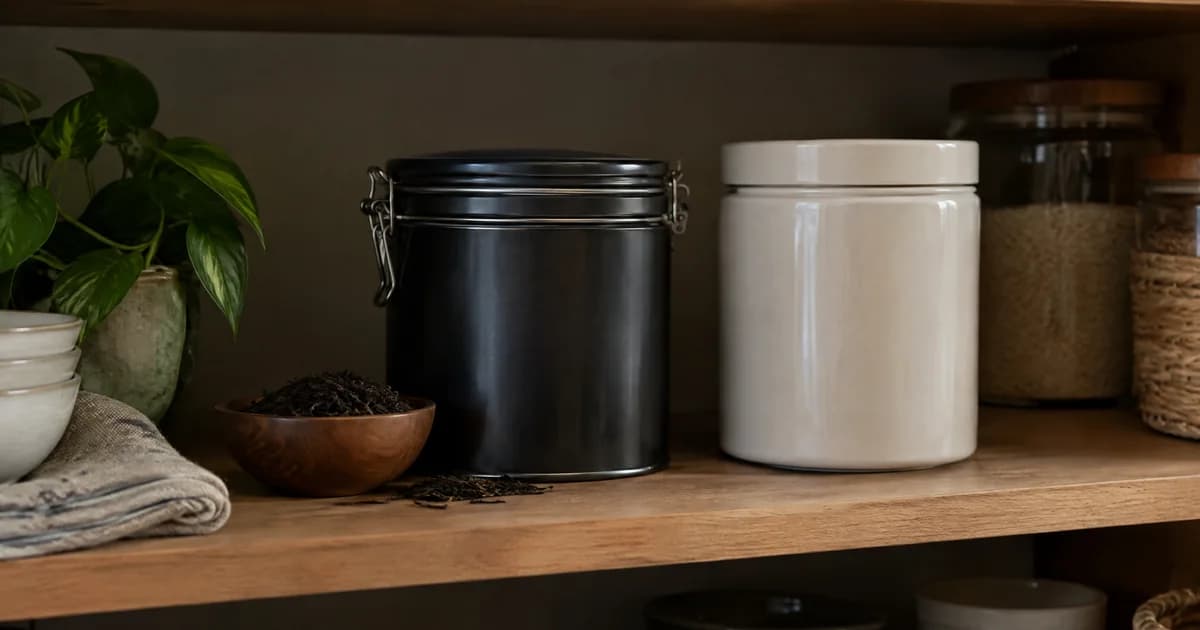
Does tea go bad? Dry tea won't spoil easily when kept away from moisture, light, heat and foreign odours; however, it does go stale over time. Stale tea is generally a flavour issue rather than a health concern: the aroma fades, the colour becomes dull and the brew tastes flat. Tea that has absorbed moisture or developed mould, on the other hand, should never be consumed.
In this article you'll find out how long dry tea lasts, how to preserve freshness once a packet is opened, and how to tell whether your tea has gone stale or truly spoiled.
The Difference Between Stale and Spoiled
These two terms are often confused, yet the consequences are very different:
| Staleness | Spoilage | |
|---|---|---|
| What happens? | Aroma and freshness diminish over time | Moisture, mould or contaminants render the product unfit for consumption |
| Cause | Time, air, light, temperature | Moisture absorption, wetting, insect infestation, penetration of off-odours |
| Signs | Faint smell, dull colour, flat taste | Mould, clumping, stickiness, sour or musty smell |
| What to do? | Can be drunk if the reduced flavour is acceptable | Do not consume — discard it |
How Long Does Dry Tea Last?
Every producer states a best-before date on the packaging. This is the first thing to check when you buy a packet. A sealed packet stored under suitable conditions is designed to maintain its quality until that date.
Once opened, the process speeds up. As tea comes into contact with air it gradually loses its aromatic compounds and can absorb ambient moisture and odours. As a general guideline, finishing an opened packet within a few months is a good habit for freshness. If you buy large packets, transfer a portion into a tightly sealed container for daily use — this means the main packet is exposed to less air.
How to Tell if Tea Has Gone Stale
- Smell: Fresh dry tea has a distinctive, vibrant aroma. If you open the packet and the smell is weak or barely noticeable, the tea may have started to go stale.
- Colour: When brewed, it may produce a dull, brownish liquor instead of a bright reddish-amber.
- Taste: The brew tastes flat and "empty"; the same amount of tea no longer delivers the full-bodied flavour it once did.
- Leaves: Excessively dried-out leaves that crumble to dust very easily may have been exposed to air for too long.
Before jumping to conclusions, it's worth checking your water and brewing method too, because limescale-heavy water and incorrect brewing can produce similar results. See our article on which water to use for tea for details.
Signs of Spoiled Tea: Do Not Consume if You See These
- White, green or black fuzzy spots on the leaves (mould)
- A musty, sour or mouldy smell
- Clumped, sticky leaves that feel damp
- Insects, larvae or web-like structures inside the packet
- Absorption of strong foreign odours such as detergent, spices or coffee
In these cases, don't use the tea thinking "boiling it will make it safe" — mouldy products should not be consumed. Also bear in mind that with very cheap, unpackaged tea of unknown origin you cannot be sure of the storage conditions. Our article on the risks of smuggled tea may be useful on this topic.
6 Rules to Keep Your Tea Fresh for Longer
- Airtight container: Transfer opened tea into a tightly sealed glass, metal or ceramic container; if using a resealable (zip-lock) pack, press it shut after every use.
- Away from light: If you use a clear jar, keep it inside a cupboard.
- Away from heat: The hob, oven, boiler and sunny windowsills are not suitable spots.
- Away from moisture: Avoid under-sink areas and steamy spots; never dip a wet spoon into the container.
- Away from odours: Tea absorbs smells easily — don't store it on the same shelf as spices and coffee.
- Don't refrigerate: Condensation that forms when taking the container in and out of the fridge introduces moisture; a cool, dry spot at room temperature is better.
We cover storage in full detail in our tea storage and freshness guide.
How Long Does Brewed Tea Last?
Unlike dry tea, brewed tea loses its freshness quickly. A brew left sitting in the pot for a long time turns bitter and dark. The general recommendation is to drink it within a few hours and make a fresh pot rather than letting it sit. Tea that has been left in the pot overnight is best avoided for both taste and hygiene reasons.
Keeping Tea Fresh in Bulk Purchases and Retail
Retailers, cafés and busy workplaces often buy tea in larger quantities and hold stock. A few simple rules help maintain freshness in this situation:
- First in, first out: Place newly arrived packets at the back and older ones at the front. Products closest to their best-before date should be used first.
- Storage conditions: Don't lean packets directly against the floor, damp walls or radiators; keep them on pallets or shelves in a dry, well-ventilated area.
- Separate from strong-smelling goods: Don't store tea alongside detergent, fuel, spices or other intensely scented products.
- Order to match demand: Placing smaller, more frequent orders rather than over-stocking ensures you always offer customers the freshest product.
Retailers who wish to place regular orders can track their orders and account activity via the E-Bayi panel.
The same logic applies to home users: if you've stocked up during a promotion, don't open every packet at once. Keep sealed packets in a cool, dry cupboard and only open the one you're using — that way each new packet tastes as fresh as day one. Sticking a small label with the date you opened each packet also makes it easy to keep track.
Frequently Asked Questions
Can you drink tea past its best-before date?
The best-before date on the packaging indicates the period for which the producer guarantees quality. We recommend not consuming products past this date; if there is any sign of moisture, mould or an off smell, definitely do not consume them.
How soon should an opened packet of tea be used?
An opened packet should be stored in a sealed container in a cool, dry place and ideally finished within a few months for the best freshness. The longer you wait, the more aroma is lost.
Can tea develop mould?
Dry tea is not normally prone to mould; however, it can develop mould if it absorbs moisture or gets wet. Tea showing any sign of mould should not be consumed.
Is stale tea harmful to health?
Stale tea that has simply lost aroma, with no signs of moisture or mould, generally just means reduced flavour. However, if it is past its date or has a suspicious smell or appearance, do not consume it.
Should tea be stored in the fridge?
This is not recommended. Condensation that forms when taking the tea in and out of the fridge can cause it to absorb moisture and fridge odours.
Conclusion: Fresh Tea Starts with Proper Storage
Dry tea is a robust product; what usually ruins it is not time itself but contact with moisture and air. Pay attention to the date on the packaging, finish each opened packet within a few months, and you'll enjoy first-day freshness in every brew. For easy storage with its resealable pack, take a look at Elek Altı 800 g Black Tea, or browse all options on our products page.