
Tea Brewing Mistakes: 10 Common Errors When Brewing Tea
7 October 2026 · Berberoğlu Çay
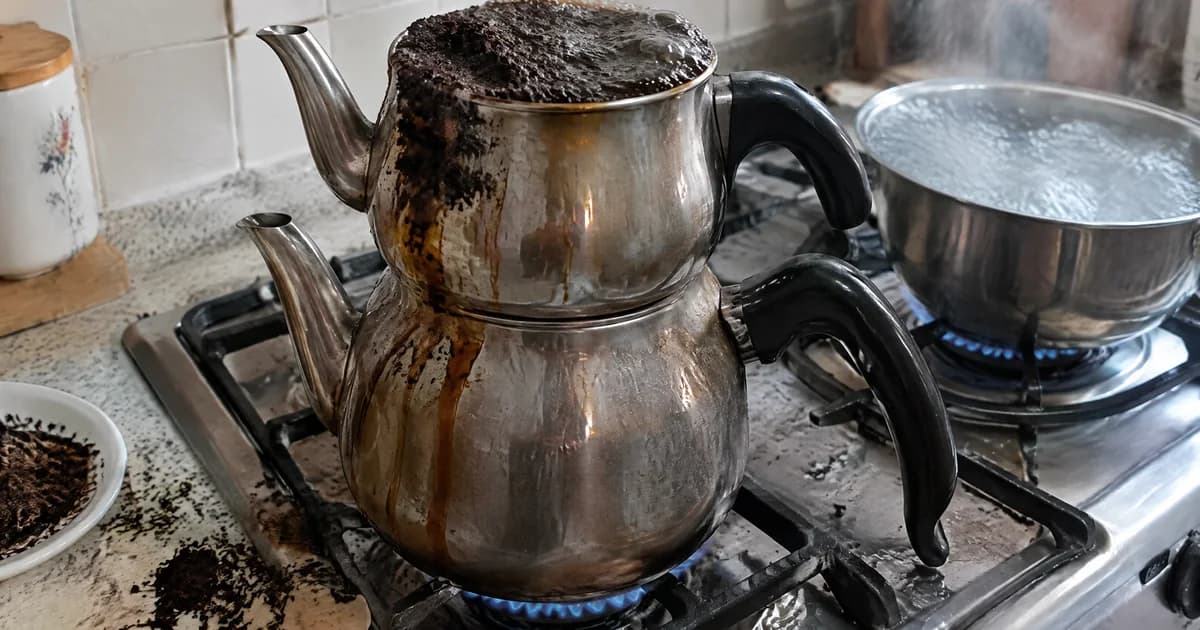
Tea brewing mistakes mostly stem from the choice of water, heat level and steeping time. Stale or repeatedly boiled water, a teapot left bubbling on high heat and a brew cut short can turn even a good tea bitter, cloudy or flat. Correct the 10 mistakes below and you'll get a far more balanced cup from the very same tea.
Why Does the Same Tea Taste Different in Every Home?
Brew the same packet of tea in two different kitchens and you'll most likely get two different results. That's because tea leaves release their colour, aroma and astringent compounds into the water at a specific rate during brewing. If the water is too hard, the temperature fluctuates or the steeping time is too short, that balance breaks down. The good news is that almost every mistake can be fixed with small changes in habit — no new equipment required.
10 Common Tea Brewing Mistakes and How to Fix Them
- Using water that has been boiled over and over. Re-boiling the same water throughout the day reduces the dissolved air in it and flattens the flavour. Fix: Fill your kettle with fresh water for every brew and use the leftover water for things like watering plants.
- Brewing with hard or chlorinated water. Hard water can leave a thin film and cloudiness on your brew, while chlorine suppresses the aroma. Fix: Use filtered or low-mineral drinking water where possible. We covered this topic in detail in our guide on which water to use for tea.
- Using a cold teapot. Tea placed into a cold porcelain pot can't reach the required temperature in the first few minutes. Fix: Rinse the pot with a little hot water before adding the tea, or warm it on top of the kettle for a few minutes.
- Eyeballing the amount of tea. This is the most common reason for getting an overly dark cup one day and a watery one the next. Fix: Decide on a spoon measure for your pot and always use the same spoon. As a general starting point, one teaspoon per person is recommended; adjust to taste.
- Leaving the pot on high heat. If the brewing pot gets hot enough to bubble, the leaves are essentially stewed; tannins dissolve rapidly and the tea turns harsh and bitter. Fix: Keep the pot on a low flame — the aim is not to boil the tea but to keep it warm and let it steep slowly.
- Serving the brew too early. Tea served impatiently after just 5–10 minutes may look colourful but its aroma won't have fully developed. Fix: Follow the recommended steeping time for your type of tea. For Berberoğlu teas we suggest around 25 minutes on a low flame; you can find a step-by-step guide on our how to brew Berberoğlu tea page.
- Leaving the brew on the heat for hours. A pot brewed in the morning and left on the stove until lunchtime turns into a bitter, dark liquid. Fix: Brew only as much as you expect to drink. During long sittings, discarding the old brew and making a fresh one gives better results than trying to rescue an over-stewed pot.
- Ignoring the fit between the brewing pot and the kettle. A brewing pot that is far too large or too small for the kettle distributes heat unevenly. Fix: Make sure the pot sits snugly on the kettle mouth and catches the steam properly. For guidance on material and size, have a look at our teapot selection guide.
- Storing tea in the wrong place. The cupboard next to the cooker, a damp worktop or the back of the spice rack — all ideal for making tea lose its aroma and absorb other odours. Fix: Keep your tea in an airtight, light-proof container in a cool, dry place.
- Washing the pot with scented detergent or never cleaning it at all. Perfumed detergent can taint the first few brews; old residue in a pot that's never cleaned adds a stale note to fresh tea. Fix: Rinse the pot with hot water after every use and give it an occasional odour-free clean (for example with bicarbonate of soda), then rinse thoroughly.
Mistake or Preference? A Quick Diagnosis by Symptom
What's in your glass usually reveals which mistake you've made. The table below summarises the most common complaints and their likely causes:
| Symptom | Likely cause | What to do |
|---|---|---|
| Tea is bitter and harsh | High heat, brew left too long | Lower the heat, keep the brew fresh |
| Pale colour, watery taste | Too little tea, short steeping, cold pot | Fix your measure, respect the time |
| Film or cloudiness on the surface | Hard water | Use filtered water |
| Stale, flat aroma | Re-boiled water, poor storage | Fresh water, sealed and cool storage |
| Off odour | Detergent residue, scented cupboard | Rinse the pot well, change the storage spot |
A Quick Checklist for a Perfect Brew
If you want the same great flavour every morning, make this sequence a habit:
- Fill the kettle with fresh, preferably filtered water.
- While the water heats, warm the brewing pot on top of the kettle.
- Add dry tea to the pot using your fixed measure.
- Pour boiling water into the pot, then turn the heat down low.
- Leave the tea to steep on a low flame for the time suited to its type.
- Pour some concentrate into the glass first, then top up with hot water to adjust the strength.
These steps make a particularly noticeable difference with large-leaf Black Sea teas that suit a long steep. If you enjoy a dark, full-bodied glass, Tiryaki 1000 g Black Tea is a great place to start with this method.
How Much Does Tea Quality Affect Brewing?
Good technique brings out the best in a quality tea, but it can't rescue a poor leaf. Tea that has been freshly picked, carefully processed and well stored is more forgiving during brewing — it stays balanced despite minor mistakes. So while you're improving your brewing habits, pay attention to how you store your tea too; we explained how to preserve an opened packet's aroma in our tea storage and freshness guide.
Frequently Asked Questions
Why does tea turn bitter?
The most common reasons for bitter tea are the pot boiling on high heat and the brew being left on the stove for hours. In both cases excess tannin dissolves and the taste turns harsh; lowering the heat and keeping the brew fresh usually solves the problem.
How long should tea steep?
The time depends on the leaf structure and type of tea. For Berberoğlu teas we recommend steeping for around 25 minutes on a low flame; if you're using a different tea, check the suggestion on the packet.
Can tea water be re-boiled?
Re-boiling water repeatedly is not recommended as it flattens the flavour. Filling the kettle with fresh water for each brew gives a livelier aroma.
Why does a film form on top of tea?
The thin film on the surface of tea is usually caused by hard (limescale-rich) water. Using filtered or low-mineral water noticeably reduces it.
Can tea be added to a cold pot?
It can, but a cold pot lowers the temperature in the first few minutes and slows the steeping. Warming the pot on top of the kettle for a few minutes before adding the tea gives a better result.
Conclusion: Small Fixes, Big Difference
You don't need to be an expert to make great tea — fresh water, low heat, a consistent measure and a little patience are usually enough. Even correcting just one or two mistakes from this list will make a noticeable difference in your glass. If you'd like to try a new tea, browse our black teas category.