
Should You Drink Tea After Meals? Tea and Iron Absorption
7 October 2026 · Berberoğlu Çay
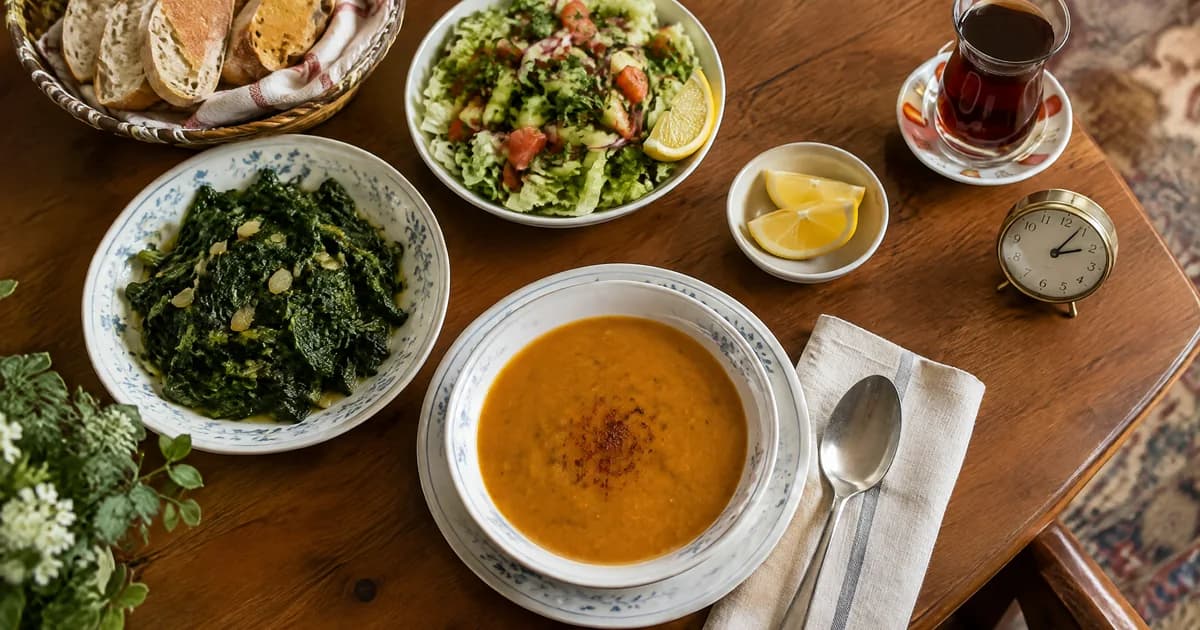
You can drink tea after meals, but not straight away: the tannins and other polyphenols in tea can reduce the absorption of non-haem iron — the type found in plant-based foods. That is why experts generally recommend drinking tea about 1 hour after a meal rather than with it. This small change in habit matters even more for people with iron deficiency, pregnant women, and those who follow a predominantly plant-based diet.
Why Does Tea Affect Iron Absorption?
Black tea contains natural compounds called polyphenols, chief among them tannins. These are the same compounds that give tea its slightly astringent taste. During digestion, polyphenols can bind to iron in food and reduce the amount of iron that can be absorbed through the intestine.
This effect is not the same for every type of iron. Dietary iron comes in two forms:
- Haem iron: Found in animal sources such as red meat, poultry and fish. It is absorbed more easily by the body and is thought to be less affected by tea.
- Non-haem iron: Found in sources such as lentils, chickpeas, dried beans, spinach, cereals, nuts and eggs. Its absorption is already lower and can be more affected by polyphenols in tea.
In Turkish cuisine, pulses, vegetable dishes and bread are the backbone of the table. This means non-haem iron plays a significant role in the everyday diet, which is exactly why the timing of tea matters.
How Long After a Meal Should You Wait to Drink Tea?
The general recommendation is to drink tea about 1 hour after a meal rather than with it. Some experts also suggest leaving a similar gap before a meal for people with iron deficiency. This reduces the chance of iron from food and polyphenols from tea being present in the digestive system at the same time.
| Habit | Effect on iron absorption |
|---|---|
| Tea with a meal | Most likely to be affected |
| Tea immediately after a meal | Similar effect possible |
| Tea about 1 hour after a meal | Generally recommended timing |
| Tea between meals | Least effect |
For most healthy adults who eat a balanced diet, this does not mean giving up tea altogether. It is not the tea itself that is the issue — it is the timing. Rather than putting the kettle on the moment dinner ends, clearing the table and doing the washing-up first will naturally create that one-hour gap in most households.
Who Should Be More Careful?
For people with adequate iron stores and a balanced diet, this effect of tea rarely causes problems. However, paying attention to timing is more important for the following groups:
- People diagnosed with iron deficiency or iron-deficiency anaemia,
- Pregnant and breastfeeding women (iron requirements increase during pregnancy; see our article on tea during pregnancy for details),
- Women with heavy menstrual bleeding,
- Growing children and adolescents,
- Vegetarians and vegans,
- People taking iron supplements.
If you are taking an iron medication or supplement, always ask your doctor or pharmacist how long you should wait before drinking tea. The information in this article is for general guidance only and does not replace medical diagnosis or treatment.
Practical Tips to Support Iron Absorption
- Add vitamin C: Vitamin C supports the absorption of non-haem iron. Squeezing lemon into lentil soup, serving salad alongside dried beans, and adding tomatoes, peppers or parsley at breakfast are all good habits in this regard.
- Combine your sources: Eating plant-based iron sources together with a small amount of animal-based food can help with absorption.
- Move tea to between meals: Let at least an hour pass after eating; save your tea for mid-afternoon or between meals.
- Watch the brew strength: A very strong brew contains more polyphenols. If you are drinking close to a mealtime, you may want to opt for a lighter steep.
- Balance the number of cups: If you drink many cups throughout the day, spreading them to times well away from meals makes things easier.
Other Drinks and Iron Sources
Do Green Tea and Coffee Have the Same Effect?
Black tea is not the only drink that contains polyphenols. Green tea is also rich in polyphenols and can similarly reduce the absorption of non-haem iron. Coffee and cocoa are also known to have a comparable effect. In other words, switching from black tea to green tea will not solve the problem — what matters here, too, is timing. You can find more on the other differences between black and green tea in our article on black tea vs green tea.
The effect of herbal teas varies depending on the plant, so it is not possible to generalise. If you have iron deficiency, the most practical approach is to consider all the hot drinks you consume throughout the day as a whole and spread them to times away from meals.
Which Foods Contain Iron?
| Iron type | Example foods | Affected by tea |
|---|---|---|
| Haem iron | Red meat, offal, poultry, fish | Less |
| Non-haem iron | Lentils, chickpeas, dried beans, spinach, pekmez (grape molasses), whole grains, nuts, eggs | More |
Plant-based sources such as pekmez, dried apricots, spinach and pulses feature regularly on Turkish tables; drinking tea a little later after meals that include these foods and adding a source of vitamin C alongside them strikes a good balance. This table is a general guide; it is best to create your nutrition plan together with a dietitian or doctor.
What About Tea at Breakfast?
A Turkish breakfast without tea is unthinkable — we know that as well as anyone. Rather than giving up tea at breakfast, a few small adjustments can help: have your first glasses towards the end of breakfast, make sure the table includes vitamin-C-rich items such as tomatoes, peppers, cucumber and parsley, and keep the brew a little lighter. For those with iron deficiency, the best course of action is to discuss the timing of breakfast tea with a doctor. For more on the breakfast table and tea, take a look at our article on tea and Turkish breakfast.
Frequently Asked Questions
Is drinking tea after a meal harmful?
It cannot be called harmful, but the tannins in tea can reduce the absorption of plant-based iron. That is why drinking tea about 1 hour after a meal is generally recommended.
Does tea block iron absorption?
It does not block it entirely but can reduce it. The effect is most pronounced with non-haem iron found in pulses, vegetables and cereals; haem iron from meat is less affected.
Can someone with iron deficiency drink tea?
In most cases there is no need to give it up completely, but it is advisable to drink tea at times away from meals and iron supplements. Consult your doctor for advice on your individual situation.
Can iron medication be taken with tea?
Taking iron medication with tea is not recommended. Ask your doctor or pharmacist how long you should wait between the medication and tea.
Does a lighter brew affect iron absorption less?
A lighter brew contains fewer polyphenols, so the effect may be lower; however, the most effective approach is still to pay attention to timing.
Conclusion: Don't Give Up Tea — Just Adjust the Timing
When enjoyed at the right time, tea remains one of the most pleasant breaks of the day. Finish your meal, clear the table, and put the teapot on an hour later. At Berberoğlu, we recommend our black teas, processed at our own factory in Rize, for exactly these enjoyable moments. If you are curious about the caffeine and calorie content of tea, read our article on caffeine and calories in tea, and for a broader look at its properties, see our piece on the benefits of Rize tea.