Why Is Smuggled Tea Risky? A Guide to Avoiding Unregulated Tea
7 October 2026 · Berberoğlu Çay
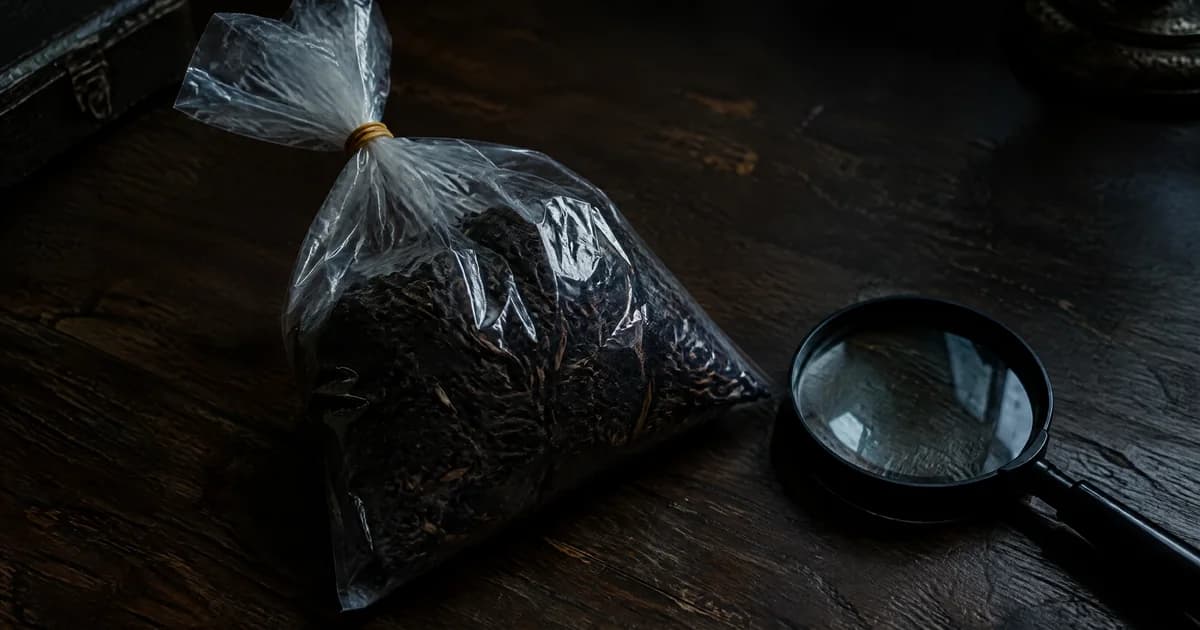
Smuggled tea is tea that has been produced, imported or packaged outside legal registration and inspection systems. The real danger is that nobody knows what is in it or where and how it was stored. With unregulated tea, issues such as pesticide residues, added dyes, moisture and mould go unchecked, so the consumer bears these risks directly. The way to protect yourself is simple: check the label, packaging, invoice and producer information.
What Are Smuggled Tea and Unregulated Tea?
In everyday language the two terms are often confused, but both lead to the same problem:
- Smuggled tea: Tea brought into the country without passing through customs and tax procedures, or sold off the books. Its origin and the conditions under which it was grown are unknown.
- Unregulated tea: Tea packaged, blended or "branded" in an unregistered, uninspected facility rather than a licensed food establishment. Sometimes smuggled tea, sometimes cheap dust and sweepings enter the market this way.
In both cases the common thread is that the product falls outside the official food-inspection chain. A registered producer's product can be inspected, recalled and has a clearly accountable party; with smuggled goods, none of this exists.
Key Risks of Smuggled Tea
Unknown Pesticide Residues
When the origin of a tea is unknown, there is no way to tell which pesticides were used, at what dosage or how long before harvest they were applied. Products entering through legal channels may be subject to residue-limit checks, whereas smuggled tea carries no such assurance. This does not mean every smuggled tea necessarily contains residues — but there is no way to find out either.
Dyes and Adulteration
Adding dye to make poor-quality leaves look like they brew a strong cup is a common trick in unregulated production. Under the Turkish Food Codex, adding colourants to tea is prohibited. We explain the details and home tests you can try in our article on how to spot dyed tea.
Moisture, Mould and Improper Storage
Tea readily absorbs moisture and odours. Smuggled tea often travels long distances under unsuitable conditions, sitting in warehouses and sacks, sometimes next to other products. Tea that takes on moisture is at greater risk of developing mould, and foreign odours also seep into the leaf.
Foreign Matter and Adulterated Blends
In uncontrolled packaging, dust, stalks, sweepings and even fragments of other plants can end up in the tea. Blending in fillers to increase weight is another common issue.
No Recourse if Something Goes Wrong
When a product has no invoice, no identifiable producer and no address, there is nobody to turn to if a problem arises.
How to Identify Trustworthy Tea: A Checklist
When looking at a packet of tea on the shelf or online, ask the following questions:
| Checkpoint | Trustworthy product | Warning sign |
|---|---|---|
| Producer information | Company name and full address stated | Brand name only, no address |
| Label | In the local language, legible and complete | Photocopied, faded or foreign-language label |
| Registration details | Food-establishment registration or approval number | No registration number at all |
| Date and batch | Production/batch number and best-before date | No date or handwritten date |
| Packaging | Sealed, intact, odour-free | Torn, damp or re-sealed |
| Documentation | Invoice or receipt provided | "It's cheaper without an invoice" offer |
Add a dose of common sense to this list: a price noticeably below the market average usually means corners have been cut somewhere — and that saving is most often made at the expense of your health.
What to Watch Out for When Buying Loose Tea
Not all loose tea is smuggled; many shops sell well-known producers' teas in bulk. However, loose products offer less opportunity for verification. If you are buying loose tea:
- Ask the seller which producer the tea comes from and, if possible, see the original sack or box label.
- Make sure the tea is stored in a closed, dry, odour-free container.
- Take a pinch and smell it: fresh tea has a clean, mild aroma; there should be no mould, dampness or foreign odours.
- If colour rubs off when you roll the leaves between your fingers, do not buy it.
- Always ask for a receipt.
Where to Buy Trustworthy Tea
The safest route is to buy from sources with a clearly identified producer, complete labelling and invoiced sales. These include:
- The producer's own official website or mobile app,
- Shops and supermarkets that issue invoices,
- The producer's authorised dealers.
When buying online, check the site's contact details, company information and return policy. Be cautious of sellers on social media who only take orders via direct message and provide no address or invoice. The Turkish Ministry of Agriculture and Forestry's page listing adulterated and counterfeit products at guvenilirgida.tarimorman.gov.tr is also a useful resource to check before you shop. You can report a suspicious product to the ALO 174 Food Hotline.
Extra Checks When Buying Tea Online
Because you make your decision without holding the packet, a few additional checks are worthwhile when shopping online:
- Does the site clearly display a company name, address, tax details and contact channels?
- Do the product page's net weight, ingredients and images match the actual product?
- Is an invoice issued with the order, and are the return and exchange terms clearly stated?
- Is payment processed through a secure gateway, or is only a direct bank transfer accepted?
When the package arrives, check the label once more against the table above. If the packaging has been opened, is damp, or the label details do not match what was shown on the site, contact the seller and do not use the product.
Frequently Asked Questions
Is smuggled tea harmful?
It is impossible to know whether smuggled tea is harmful — and that is precisely the risk. Because pesticide residues, dyes, moisture and mould are never checked, the consumer ends up consuming an unknown product.
How can you spot unregulated tea?
If the producer's name and address, registration number, batch number or date information is missing or suspicious, the product is very likely outside any inspection system. The absence of an invoice and a price far below the market rate are also important warning signs.
Is loose tea trustworthy?
Not all loose tea is smuggled, but verification options are limited. Ask the seller for the producer information and a receipt; make sure the tea is dry, odour-free and does not leave colour on your hands.
Where can I buy trustworthy tea?
From sources with an identifiable producer, complete labelling and invoiced sales: the producer's official website or app, shops that issue invoices, and authorised dealers.
Where can I report suspicious tea?
You can report it to the Ministry of Agriculture and Forestry's ALO 174 Food Hotline. Keeping the packaging and receipt will make the process easier.
Conclusion: Don't Pay for a Bargain with Your Health
Tea is a drink enjoyed every day, several times a day — so knowing its source is not a luxury but a necessity. At Berberoğlu, we source fresh tea leaves directly from growers in Rize and process them in our own factory in Rize. You can order our teas with a full invoice from the black teas page or via our mobile app; shipping is free on orders over 1,500 TL. For guidance on what businesses should look for when buying in bulk, see our wholesale tea buying guide, and for dealership enquiries visit our E-Bayi page.