
How Is Black Tea Made? The Journey from Fresh Leaf to Cup
7 October 2026 · Berberoğlu Çay
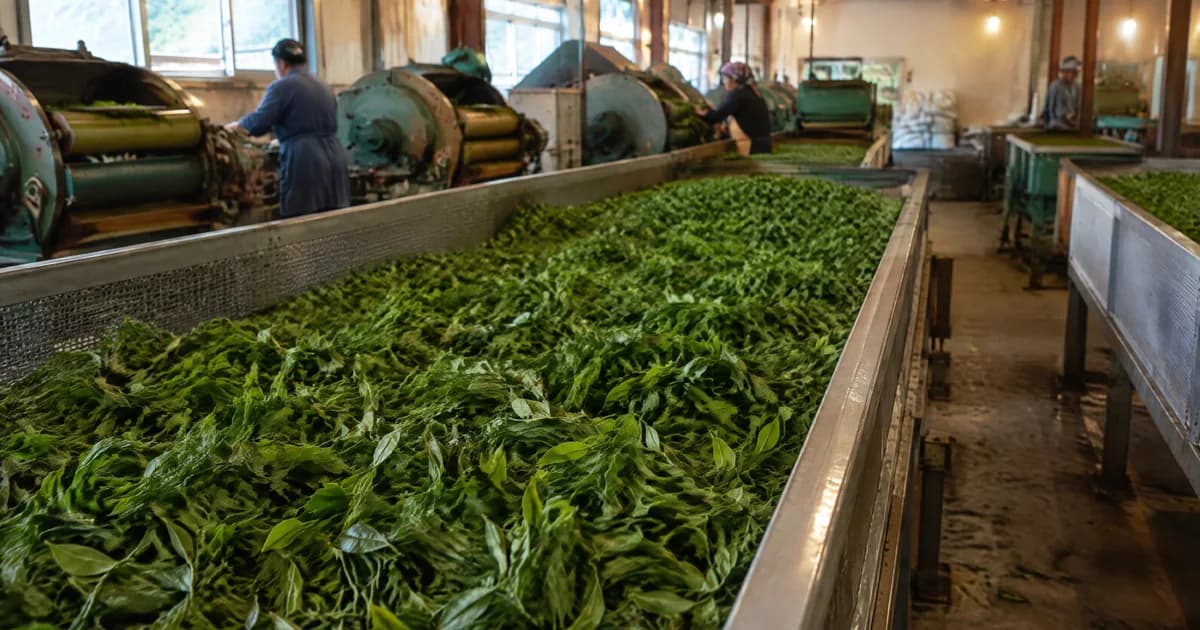
Black tea is produced by taking freshly picked tea leaves through a sequence of withering, rolling, oxidation (commonly called fermentation), drying and sorting. These steps reduce the moisture in the leaf, release its cell sap and transform it into the dark, aromatic dry tea we know. The timing of each stage directly affects the colour and flavour in the cup.
It All Starts in the Garden: Fresh Tea Leaves
The first — and perhaps most decisive — step in tea production takes place not in the factory but in the garden. The young leaves at the tip of each shoot are picked by hand or with shears. The fresher and more carefully they are picked, the better they respond to processing. The character of the leaf also changes with the harvest period; we explain why the first flush holds a special place in our article on tea flush periods.
Once picked, the leaves must reach the factory as quickly as possible. Leaves left too long in sacks — crushed or overheated — can begin to deteriorate before processing even starts. At Berberoğlu Çay we source our fresh tea leaves directly from growers in Rize and process them in our own factory in Rize, which helps us keep the chain between garden and factory short.
When the leaves arrive at the factory they first go through an intake check: they are weighed, visually inspected and examined for excess stalks, thick or old leaves and foreign matter. Issues such as waste allowances for wet leaf are also addressed at this stage. Accepted leaves are fed straight onto the production line without delay, because the leaf's own enzymes start working from the moment it is picked and this process needs to be managed under controlled conditions in the factory.
The 5 Key Stages of Black Tea Production
- Withering: The fresh leaves are spread out and rested in ventilated conditions for a period. During this time they lose some of their moisture, become supple rather than brittle and are made ready for rolling. If withering is insufficient the leaf breaks apart during rolling; if excessive, it loses its vitality.
- Rolling: The softened leaves are crushed and rolled in machines. The aim is to rupture the leaf cells and bring their sap to the surface. This allows the cell sap to come into contact with air, triggering the next stage.
- Oxidation (fermentation): The rolled leaf is held in an environment where temperature and humidity are controlled. Compounds in the cell sap react with atmospheric oxygen; the green leaf turns to coppery-brown tones, and the deep colour and full-bodied aroma characteristic of black tea develop here. Although commonly called "fermentation", the process is actually oxidation. At this stage the scent of the leaf also changes — the raw, grassy smell gives way to a fruitier, sweeter aroma. Deciding exactly when to stop requires real expertise.
- Drying: Once the desired level of oxidation is reached, the leaf is dried with hot air. Drying halts oxidation, reduces moisture and ensures the tea remains stable throughout its shelf life. After this stage the dry tea appears dark, almost black.
- Sorting (sifting): The dried tea is passed through sieves to separate it by size, and unwanted pieces such as stalks and fibre are removed. Because different-sized particles brew differently, sorting is essential for the consistency of the final product.
How Do the Stages Affect the Taste in the Cup?
Each stage makes a different contribution to the tea's final character. The table below gives a rough summary of what each step shapes:
| Stage | What happens to the leaf? | Effect in the cup |
|---|---|---|
| Withering | Moisture decreases, leaf softens | Lays the groundwork for balanced rolling |
| Rolling | Cells are ruptured, sap reaches the surface | Brewing speed and intensity |
| Oxidation | Colour darkens, aroma develops | Brew colour, body and astringency |
| Drying | Oxidation stops, moisture drops | Freshness and shelf life |
| Sorting | Particles separated by size | Consistent brewing and appearance |
Where Black Tea and Green Tea Part Ways
Black tea and green tea come from the same plant; the fundamental difference is oxidation. In black tea production the leaf is deliberately allowed to oxidise, whereas in green tea the process is halted early by applying heat. This is why green tea is lighter in colour and has fresher, grassier notes. If you would like to explore the topic in more detail, have a look at our article explaining the difference between black tea and green tea.
The Small Details That Determine Quality
Although the production steps look simple on paper, it is the details that make a good tea:
- Leaf freshness: How quickly the leaves reach the factory after picking.
- Picking care: Keeping the young leaves at the tip of the shoot separate from thick stalks and old leaves.
- Timing: How long withering and oxidation last, adjusted according to air temperature and humidity.
- Clean sorting: Removing stalks, fibre and dust so that every packet has the same character.
- Proper packaging: Packing the dried tea so it is protected from moisture and light.
The journey does not end once the dry tea is packaged; how it is stored at home and how it is brewed determine the final flavour. The aroma carefully preserved in the factory is carried to the cup through correct brewing.
The different sizes that emerge after sorting are also the source of different products. Larger particles brew more slowly and evenly, while finer particles release their colour into the water more quickly. During blending, these particles are combined in specific proportions to create each product's distinctive colour, body and taste. For example, Elek Altı 800 g Black Tea, made from the fine particles that pass through the sieve, is known for brewing quickly and producing a deep colour.
Frequently Asked Questions
How is black tea produced?
Black tea is produced by taking fresh tea leaves through the stages of withering, rolling, oxidation, drying and sorting. This process transforms the leaf from green to dark brown-black and gives it its characteristic aroma.
What does fermentation mean in tea?
What is called "fermentation" in tea production is actually oxidation: the cell sap of the rolled leaf reacts with oxygen in the air. The colour and full-bodied flavour of black tea develop during this stage.
How quickly should fresh tea leaves reach the factory?
Although it is difficult to give an exact time, the general rule is that fresh tea leaves should be processed as soon as possible after picking. Leaves left in sacks for too long or allowed to overheat can lose their quality.
Do black tea and green tea come from the same plant?
Yes, both come from the same tea plant. The key difference is that black tea is allowed to oxidise, while in green tea this process is stopped at an early stage.
Why is tea sorted?
Sorting is the process of separating dried tea by size and removing unwanted pieces such as stalks. This ensures every packet delivers a similar brewing character.
From Garden to Cup
Behind every cup of tea lies a full season in the garden, the grower's labour and a few hours of carefully managed processing in the factory. You can find the teas we process at our factory in Rize in our black teas category. If you are a fresh-leaf grower, you can manage your deliveries, receipts and payment tracking via the e-Müstahsil panel. To read about how this production tradition began, see our article on the history of Rize tea.