
What Are 1st, 2nd and 3rd Flush Tea? Why Is May Tea Special?
7 October 2026 · Berberoğlu Çay
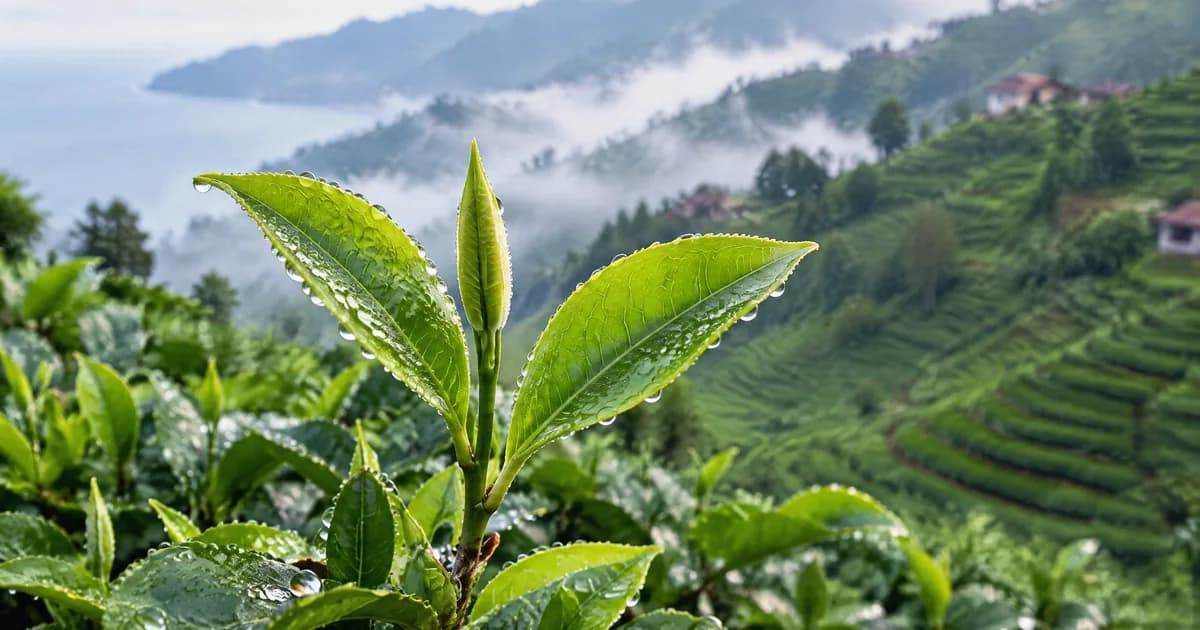
Flush in tea refers to the harvest periods when the fresh shoots produced by the tea plant throughout the year are picked. In the Black Sea region the first flush is generally gathered in May–June, the second in July, and the third in August–September; exact timing can shift depending on the year and the altitude of the garden. The tea known as "Mayıs tea" is the very first flush from plants that have rested through the winter, which is why it attracts special attention.
What Does "Flush" Mean?
The tea plant is not an annual field crop harvested once a year — it is a long-lived shrub. During the cold winter months its growth slows and the plant effectively rests. When the weather warms, fresh, light-green shoots appear at the tips of its branches. Picking these shoots and the young leaves just below them is called a flush harvest. After picking, the plant sprouts again and a new flush is ready within a few weeks, making multiple harvests possible in a single season.
During harvest the target is usually the bud at the tip of the shoot together with a few young leaves immediately below it. As leaves grow larger and toughen and the stem thickens, the tenderness desired for tea diminishes. Growers therefore watch their gardens closely, aiming to pick each flush neither too early nor too late. Picking too early reduces yield; picking too late means coarse leaves and excess stalk.
The humid climate and abundant rainfall of the Black Sea region are ideal for this cycle. The interval between flushes is not fixed either — how quickly the plant sprouts depends on temperature, rainfall and soil moisture. In warm, rainy weeks the flush develops fast; during cool or dry spells the plant recovers more slowly. That is why growers rely on the garden itself rather than the calendar. If you are curious about how harvesting works in the field, have a look at our article on Black Sea tea harvesting.
Differences Between the 1st, 2nd and 3rd Flush
All three flushes come from the same plant, but the time of year and weather conditions alter the character of the leaf. The table below summarises general tendencies; exact boundaries vary by region, year and garden:
| Flush | Typical period | Key characteristic |
|---|---|---|
| 1st flush (Mayıs tea) | May–June | The first shoots after winter rest; tender leaves, generally a softer and more aromatic brew |
| 2nd flush | July | Rapid growth in summer heat; a balanced character suited to everyday drinking |
| 3rd flush | August–September | The last harvest of the season; generally a plainer character that brews dark |
Rather than speaking of a "good" or "bad" flush, it is more accurate to talk about different characters. Each flush has its own admirers, and blending can bring together the strengths of different flushes.
For example, some drinkers prefer the softness of the first flush at breakfast, while dedicated tea lovers who enjoy a darker, more robust brew during the day may gravitate towards later flushes. If the flush is not stated on the packet, the best approach is to explore your own palate by looking at the colour, aroma and taste of the brewed tea.
Why Is Mayıs Tea Special?
The interest in Mayıs tea is linked to the plant's life cycle. After resting all winter, the tea shrub puts out its first shoots with the energy it has stored through spring. The leaves of this first flush are generally more tender and delicate. Many tea enthusiasts find that tea made from the first flush brews softer and more aromatic.
- Tender leaves: Because the first shoots are picked within a short window, the leaves are young and delicate.
- Limited window: The first flush falls within only a specific period of the season.
- Smooth taste: Many people describe Mayıs tea as an enjoyable cup, free from harshness.
- Patience in brewing: To bring out its gentle character fully, Mayıs tea should be brewed on a low heat without rushing.
- The excitement of the new season: In the Black Sea region, the first flush holds a special significance as the opening of the season.
We prepared Berberoğlu's Mayıs Black Tea 1000 g from first-flush leaves for those who want to experience this character at home. If you would like to give it as a gift, the Gift Mayıs 800 g option is also available.
What Affects Flush Timing?
Calendar months are only a rough guide. Several factors determine when a flush is ready:
- Altitude: In higher gardens the air warms later, so the flush generally arrives later too.
- Spring weather: A cold, rainy spring can push the first harvest back; an early warm spell can bring it forward.
- Garden care: Pruning, fertilisation and soil condition all affect how vigorously the plant sprouts.
- Picking frequency: When the previous harvest took place determines the timing of the next flush.
For fresh-leaf growers, picking at the right time matters for both quality and yield. We have compiled practical information on this topic in our fresh-leaf grower's guide.
How Does a Flush Travel from Leaf to Glass?
Regardless of the flush, the freshly picked leaves are delivered to the factory without delay and go through withering, rolling, oxidation, drying and sorting to become black tea. The flush character of the leaf is preserved through this process and comes through in the brewed cup. If you are curious about each stage, you can read our article on how black tea is produced.
At home, the best way to reveal the character of a flush is proper brewing. Fresh water, a low heat and unhurried patience ensure that the gentle aroma of the first flush in particular is fully expressed in the cup. For Berberoğlu teas we recommend brewing on a low heat for approximately 25 minutes. Storing your tea in an airtight container away from light and moisture also helps preserve the aroma the flush has given it even after the packet is opened.
Frequently Asked Questions
What is Mayıs tea?
Mayıs tea is tea made from the first flush — the first shoots the tea plant produces after its winter rest. In the Black Sea region it is generally harvested in May–June.
Is first-flush tea better quality?
Because first-flush leaves tend to be more tender, many people find them softer and more aromatic. That said, quality also depends on the freshness of the leaf, care during picking and processing.
How many times a year is tea harvested?
In the Black Sea region tea is generally harvested in three flushes per year: May–June, July and August–September. These periods can shift by a few weeks depending on the year and altitude.
What is third-flush tea like?
The third flush is the last harvest of the season and generally has a plainer character that brews dark. It is frequently used for everyday drinking and in blends.
Is flush timing the same every year?
No, flush timing can vary slightly each year depending on how early spring warms up, the altitude of the garden and its care. Calendar months serve only as a general guide.
Every Flush Has a Story
From the tender shoots of May to the final harvest of late summer, every flush carries the climate of the Black Sea and the grower's labour into your cup. If you would like to taste the different characters, you can find all our varieties on the products page.