
Does Tea Stain Your Teeth? 7 Practical Ways to Reduce Tea Stains
7 October 2026 · Berberoğlu Çay
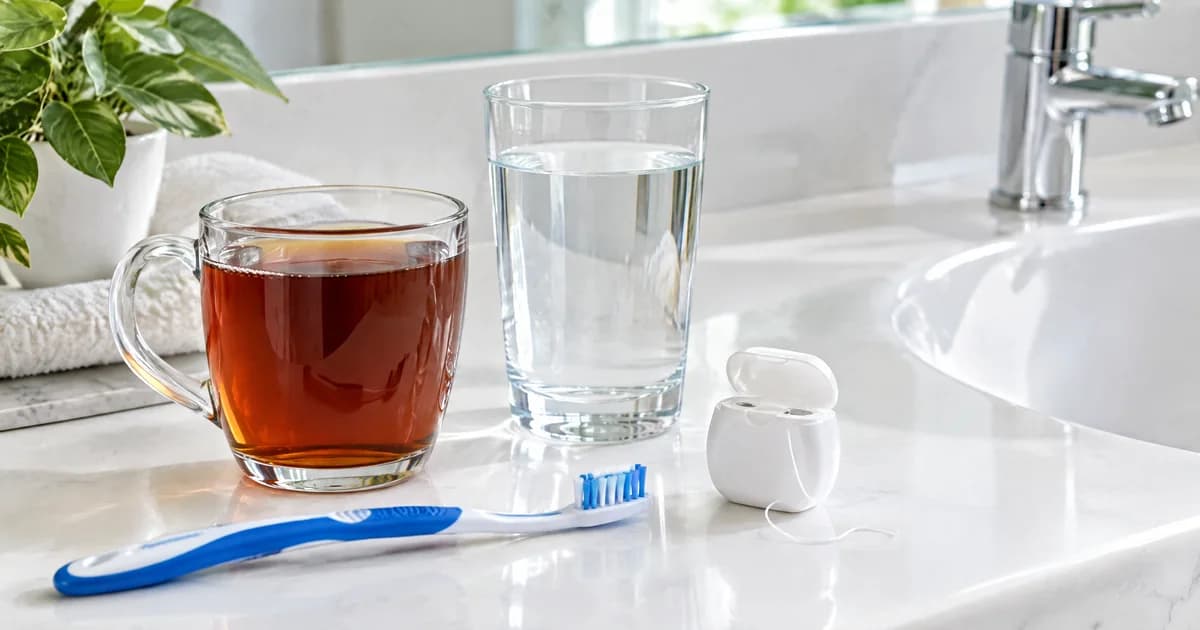
Does tea stain your teeth? Yes — when consumed regularly and frequently, the natural colour compounds in tea can gradually cause yellowish-brown stains on the tooth surface. These stains are mostly on the outer surface of the tooth and can be significantly reduced with good oral care and professional cleaning by your dentist. You don't need to give up tea; changing a few habits is usually enough.
This article is for general information only. If you notice discolouration, sensitivity or pain in your teeth, always consult your dentist.
Why Does Tea Stain Teeth?
Tannins and other polyphenols give black tea its colour and slightly astringent taste, but they are also colour compounds. A thin protein film from saliva sits on the surface of tooth enamel. Over time, these colour compounds can cling to that film and gradually build up into a visible stain.
How noticeable the staining becomes varies from person to person. The following factors generally play a role:
- The amount of tea consumed daily and the strength of the brew
- Whether tea is sipped in small amounts throughout the day or drunk at set times
- Brushing and flossing habits
- Roughness on the tooth surface, old fillings and tartar
- Other habits that increase staining, such as smoking
7 Ways to Reduce Tea Stains
- Drink water or rinse your mouth after tea. Taking a few sips of water after a cup of tea is the easiest way to reduce how long colour compounds stay on your teeth.
- Drink at set times rather than sipping all day. Hours of small sips keep teeth in constant contact with tea. Sitting down to drink your tea and then rinsing your mouth is a better habit.
- Brew it a little lighter. A very dark, strong brew contains more colour compounds. Adding a little more water to your glass is kinder to both your stomach and your teeth. We explained the ideal shade in our article on rabbit-blood tea.
- Brush properly twice a day. Dentists generally recommend brushing for about two minutes at least twice a day with a fluoride toothpaste. Floss or interdental brushes help reduce staining that builds up between the teeth.
- Chew sugar-free gum. Sugar-free gum stimulates saliva flow, and saliva is part of the mouth's natural cleansing mechanism. It's a handy interim solution when you can't brush after tea.
- Keep up with dental check-ups. Tartar and rough surfaces make it easier for stains to cling on. Regular check-ups and professional cleaning (scaling and polishing) at intervals recommended by your dentist can help remove a significant proportion of surface tea stains.
- Consult your dentist about whitening. Online "home remedies" using bicarbonate of soda, lemon or abrasive powders can damage tooth enamel. If you're considering a whitening product or procedure, discuss its suitability with your dentist.
How Much Does Each Habit Affect Staining?
The table below is not based on precise measurements but offers a practical summary drawn from general dental recommendations:
| Habit | Stain risk | What can you do? |
|---|---|---|
| Constantly sipping strong brew throughout the day | High | Drink at set times, brew lighter |
| Drinking water after tea | Reduces it | Make it a habit after every cup |
| Irregular brushing | Increases it | Brush twice a day with fluoride toothpaste |
| Smoking alongside tea | Increases it noticeably | Seek your doctor's support to quit |
| Regular dental check-ups | Reduces it | Attend at the intervals your dentist recommends |
When Should You See a Dentist?
Tea stains are usually superficial, but not every colour change on a tooth is a stain. See your dentist without delay if:
- A single tooth has noticeably darkened or turned grey
- Staining is accompanied by pain, hot-cold sensitivity or bleeding gums
- You notice brown-black spots that don't change with brushing and keep growing
- Hard deposits (tartar) have formed along the gum line
These signs may indicate decay, tartar or another issue and should always be assessed by a dentist.
Small Details That Help Protect Your Teeth While Drinking Tea
In addition to the seven tips above, a few small things we do without thinking in daily life can also make a difference:
- Don't drink it very hot: Extremely hot drinks can irritate the mouth tissue and, because they are uncomfortable to drink, cause you to hold the tea in your mouth for longer. Letting it cool a little is a good habit.
- Cut down on sugar: Sugar doesn't cause staining, but it does increase the risk of decay. Drinking tea with no sugar or less sugar is better for overall dental health.
- Use a straw for iced tea: If you drink iced or cold-brewed tea, using a straw can somewhat reduce contact with your front teeth.
- Replace your toothbrush: A brush with splayed bristles can't clean surfaces properly. Dentists generally recommend replacing your brush every few months.
- Clean your tongue too: Build-up on the tongue surface can contribute to bad breath and poorer overall oral hygiene.
Does Staining Occur with Green Tea and Herbal Teas Too?
Because the main cause of staining is colour compounds in the drink, any dark-coloured beverage can cause some staining. Green tea is lighter in colour than black tea, but it also contains polyphenols and can leave marks on teeth with frequent consumption. With herbal teas it depends on the plant: dark varieties like hibiscus can stain, while lighter herbal teas generally have less effect. Whichever you drink, the real deciding factors are oral care and drinking habits. For other differences between black and green tea, see our article on black tea vs green tea.
Frequently Asked Questions
Does tea or coffee stain teeth more?
Both contain colour compounds that can stain teeth. Which causes more staining varies from person to person depending on the amount consumed, the strength of the brew and oral care habits.
Does adding milk to tea reduce staining?
Some sources suggest that proteins in milk may bind to colour compounds and reduce staining, but it is hard to draw a definitive conclusion. Rinsing with water and brushing regularly are more reliable habits.
How do you remove tea stains from teeth?
Surface tea stains can mostly be significantly reduced by professional cleaning and polishing at the dentist. At home, regular brushing and flossing are recommended rather than abrasive methods.
Does green tea stain teeth?
Green tea also contains polyphenols and can cause staining with frequent consumption; however, because it is lighter in colour, it is generally thought to leave less noticeable stains than black tea.
Should you brush your teeth straight after tea?
Rinsing your mouth with water after tea is a sufficient and practical step. When it comes to the timing of brushing — especially if you also consume acidic foods and drinks — it's best to follow your dentist's advice.
Conclusion: Don't Give Up Your Tea — Update Your Habits
The pleasure of tea and a bright smile are not rivals. A slightly lighter brew, a sip of water after every cup and regular dental check-ups usually make a big difference. If you're curious about the caffeine side of daily tea consumption, have a look at our article on caffeine and calories in tea, and for your daily teapot check out our Hasbihal Black Tea 1000 g.